Every day, marketers wake up to a new AI tool, a new update, and a new wave of information that feels almost impossible to keep up with. The world of digital marketing is moving faster than any human can manually track and at the center of this rapid evolution stands one powerful force: Artificial Intelligence.
AI is no longer a futuristic concept. It has quietly become the invisible engine behind everything modern marketing relies on today like speed, insights, content, personalization, and decision-making. Brands are increasingly trusting AI systems to analyze data, predict behavior, and support strategic choices that once depended solely on human intuition.
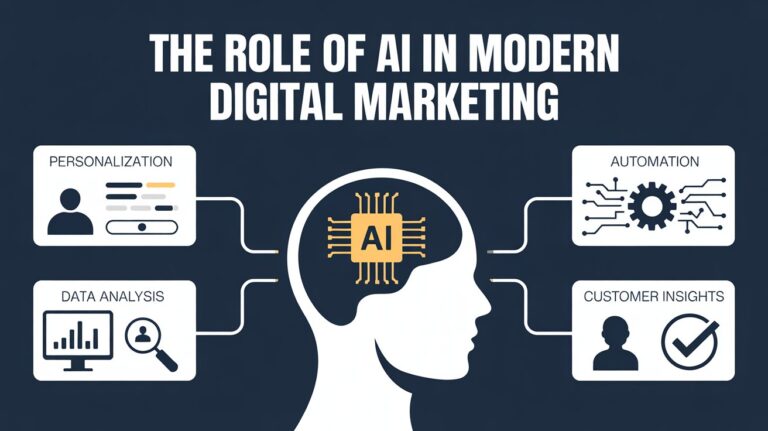
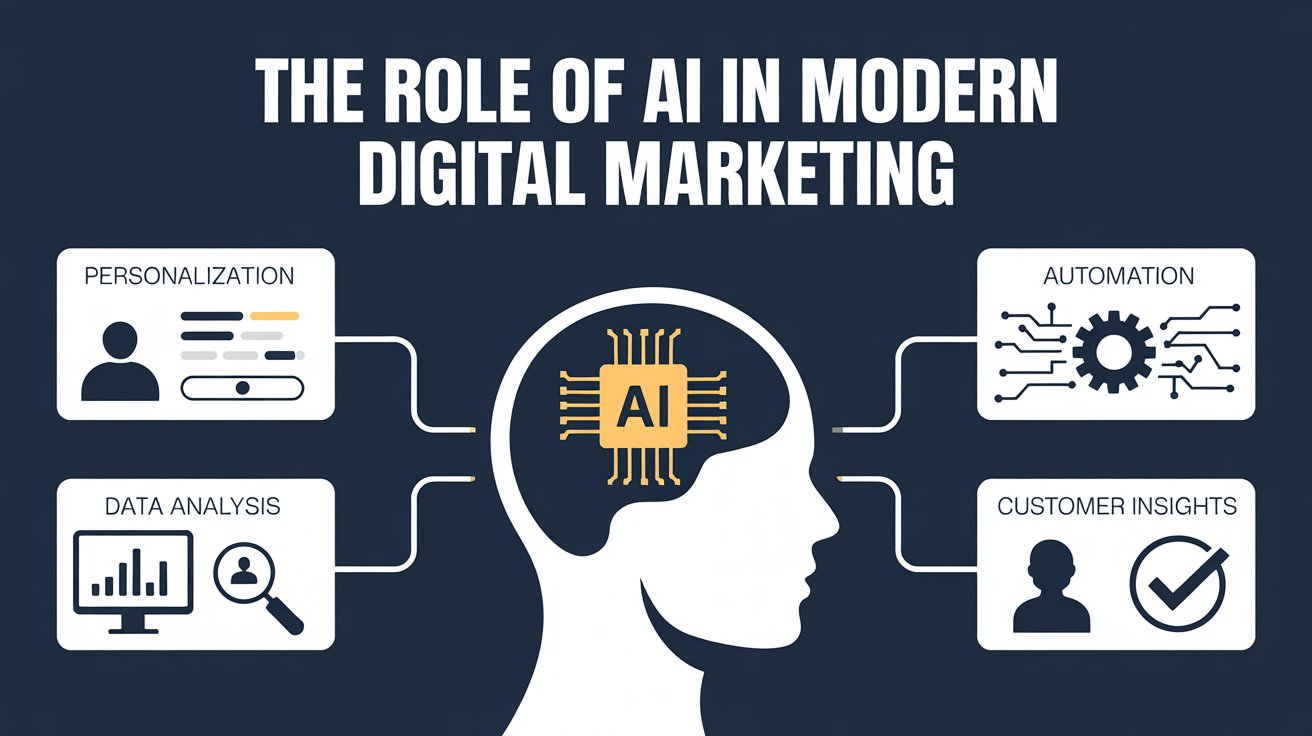
Artificial Intelligence has changed the pace and pressure of marketing. It shapes content creation, improves customer insights, strengthens targeting, and helps brands make accurate, data-driven decisions.
Many companies now rely more on AI-powered systems than traditional manual methods. AI is now the backbone of modern marketing strategies in 2025.
But here are four truths that rarely get talked about:
- AI cannot replace marketers because it still depends on human commands.
- AI follows instructions, but it cannot understand human emotions, tone, or cultural nuance.
- AI analyses patterns and real-time data, but it cannot feel empathy or intentions.
- AI can generate content quickly, but it does not truly understand meaning, purpose, or impact.
And yes, even with all its intelligence, AI can glitch, misunderstand prompts, or behave unpredictably. Yet despite these imperfections, AI delivers results that help marketers stay competitive in a world where trends shift every hour. That is exactly why AI has become the most powerful ally for anyone building success in 2025.
How AI Is Reshaping the Future of Modern Marketing?
Marketing is no longer slow, traditional, or assumption-based. The future of marketing is here, fast, data-driven, and powered by Artificial Intelligence.
Here are the major ways AI is becoming the future marketing:
i) Predictive Analytics:
AI can predict analytics and study millions of micro-signals at once – user intent, search behaviour, click patterns, demographics, content preferences, device habits, and even emotional triggers hidden inside browsing activity.
This allows brands to:
- Forecast what customers will want before they even search for it
- Understand which marketing messages will work and which will fail
- Predict campaign performance with close-to-accurate precision
- Allocate budget to the highest-ROI channels
- Personalize journeys based on behavioural patterns, not assumptions
In 2025, marketers and AI combined create trends.
ii) AI-Powered Content Creation: Ideas in Seconds, Impact in Minutes
In the future of modern marketing, content creation no longer depends on long brainstorming sessions or last-minute creative stress. AI tools such as ChatGPT and Gemini can now generate ideas, outlines, scripts, and SEO-focused strategies within seconds.
AI brings clear advantages:
• Faster content production for blogs, videos, and social media
• Data-driven keywords and topics that improve search rankings
• Consistent quality and brand presence across platforms
This is the new reality of modern marketing where AI works is that overly enthusiastic colleague who never gets tired and somehow always has 20 ideas ready before you blink.
But the twist, AI may help, but it will always require humans to add the soul, sarcasm, nuance to make things memorable.
iii) Personalized Ad Targeting: Reaching the Right People at the Right Moment
Artificial Intelligence has taken ad targeting far beyond basic demographics. It now understands consumer behaviour at a deeper level – what people browse, what they ignore, when they are most active, and what influences their decisions.
With AI-driven segmentation, brands can:
• Deliver highly relevant ads at the perfect moment
• Predict what a user is likely to purchase next
• Understand interests, preferences, and browsing patterns
• Reduce wasted ad spend and increase overall ROI
This is the magic (and mild horror) of digital marketing. This makes advertising smarter, more personalised, and more efficient.
iv) Smarter Chatbots: Human-Like Support, Minus the Human Drama
Customer expectations have grown – they want instant support, quick solutions, and meaningful assistance without long waiting times. AI-powered chatbots now make this possible.
Unlike earlier versions that struggled to understand requests, today’s chatbots provide:
• Real-time responses and faster issue resolution
• Context-aware understanding of user queries
• Polite, consistent, and personalised interactions
• 24/7 availability across websites, apps, and social platforms
These intelligent chatbots can analyse customer intent, access relevant data, and offer solutions even before users finish explaining their problem. They reduce operational load while enhancing customer experience, making them a crucial part of the future of modern marketing.
How Short-Form Video Made Zomato a Marketing Leader in 2025?
Zomato understands one undeniable truth about human behaviour in 2025, humans are always in rush yet always scrolling. Our attention span may be shrinking, but our appetite for content is endless. And that is exactly why Zomato turned short-form video into its smartest marketing weapon.
Picture this: you open the Zomato app or scroll through Instagram for “just a minute,” and suddenly you are watching quick, irresistible clips of sizzling pizzas, creamy pasta, or perfectly melting brownies. The visuals are so tempting, they influences you, “Order me now.” In a world full of distractions, Zomato uses those few seconds to turn cravings into conversions.
But the brilliance is not just in making food look delicious.
It is in how Zomato listens to your actions and makes that it’s marketing strategy.
Why Short-Form Videos Win in Modern Marketing?
Short-form video works because it fits the way humans live and scroll today:
1. Built for shrinking attention spans
People want answers quickly. A few seconds are enough to understand the message and take action.
2. Designed for life on the go
Whether someone is commuting, waiting in a queue, or taking a break, short videos slip perfectly into those tiny pockets of time.
3. High engagement and high shareability
Quick, entertaining videos are easier to share helping brands spread faster and reach new audiences organically.
4. Loved by social algorithms
Instagram, YouTube, and TikTok push short-form content to the top because it keeps users actively scrolling and engaging.
5. Works for every brand and industry
From education and fashion to food delivery and travel every business can use short videos to tell stories, build trust, and drive conversions.
Short-form content works because it fits the modern human experience.It captures attention instantly and keeps brands in the spotlight even in a world that moves constantly.
4. How Voice Search Is Changing How Families Use Technology in 2025?
If you grew up in an Indian household, you already understand this universal truth: parents can operate every home appliance like experts, washing machines, gas stoves, TV remotes but the moment they pick up a smartphone, panic begins. My mother was no exception.
Every day, she would arrive with a gentle plea: “Daughter, please search this for me.” Whether it was a recipe, a song, or a random fact she just remembered, I was the family full-time unpaid tech assistant.
Then, I introduced her to the wonder of voice search. Almost instantly, she was shocked at how effortless technology could be. A simple voice command, “Alexa, play Lata Mangeshkar,” and done. Now, she explores music, recipes, and information entirely on her own, all thanks to hands-free search technology.
When people speak, they want instant, simple, and accurate answers. Typing takes effort; talking feels effortless.
That is why Voice Search Optimization (VSO) is now a critical part of modern marketing strategies in 2025. Brands must be ready to respond to:
• More conversational queries
• Local language requests
• Natural and human-like phrasing
If a brand can speak the user’s language, it becomes the first choice in search results. Voice search is no longer futuristic. It is shaping how people discover, decide, and buy – all within seconds of asking a question aloud.
4. The Power of Real People in Future Modern Marketing:
How Influencers and UGC Are Shaping Brand Trust in 2025
Ever noticed how you trust a stranger’s Instagram review more than a brand’s million-dollar ad? A brand proudly yells, “We’re the best,” and your thumb immediately enters auto-scroll mode.
But let a random human on the internet softly whisper, “Omg this product is absolutely amazing, you need this,” and suddenly you’re placing an order at 2:13 AM with the confidence of someone who definitely wasn’t supposed to be shopping.
Welcome to 2025, where Influencer Marketing and UGC practically run the internet lately.
Consumers aren’t impressed by perfect ads anymore. They want to see real people, real flaws, real bad lighting, and real chaos. They want to know if you’re just as clumsy, confused, tired, or messy as they are. The moment you show your vulnerable side, they connect with you. It builds trust and connection, the exact trigger that drives engagement and, ultimately, purchases.
Mamaearth is a strong example of how this works. Instead of relying only on celebrity promotions, the brand collaborates with micro-influencers and real customers who share genuine experiences. A mother testing a baby-safe lotion or a beginner using a chemical-free face wash feels more believable because their stories reflect real life. Every comment, share, and save becomes a signal that helps Mamaearth understand what customers love and what they want next. Even a simple line like “Mom Approved” becomes powerful because it carries real emotion.
In 2025, Influencer marketing and user-generated content are no longer trends; they are the foundation of trust in future modern marketing. When real people share real results, audiences believe, engage, and buy with confidence.
Why These Smaller Creators Are the New Power Players?
- Authenticity Over Vanity: According to recent research, 87% of brands now prefer working with micro-influencers (10K–100K followers) because they deliver trust and actual engagement.
- Engagement That Makes You Blink: Data shows that micro-influencers generate engagement rates averaging around 3.8% to 11%, depending on platform and niche.
- Trust Over Glamour: A massive 82% of consumers say they trust micro-influencers more than celebrity endorsements. People don’t want perfectly scripted “I love this product” speeches. They want someone who looks like them, talks like them, and buys things because they genuinely like them.
- Hyper-Local Magic: These creators understand local slang, regional moods, and the cultural nuances that macro influencers often miss.
User-generated content and micro-influencer storytelling have become essential pillars of marketing because they earn trust faster than any paid advertisement could.
Data Privacy and Ethical Marketing in 2025: The New Bare-Minimum Standard
In the future of modern marketing, privacy is no longer a luxury or an optional promise. It is the basic expectation consumers have from every brand they interact with. People want to feel safe when they share information, and they want to be certain that their data is being used respectfully.
Audiences today demand clarity. They want to know what data a brand is collecting, why it is being collected, who has access to it, and how long it will be stored. This desire for transparency is not only valid; it has become essential. Trust can disappear with a single suspicious pop-up, unclear policy, or privacy breach.
Brands that want to stay relevant must adopt ethical marketing practices that make users feel informed and in control.
How to Achieve it?
1. Radical Transparency About Data Usage: People don’t hate sharing information. They hate feeling tricked. When brands clearly explain why they’re collecting data and how it benefits the user, trust builds faster than any ad campaign could.
2. Cookie Choices That Aren’t Booby Traps: Those cookie pop-ups? Consumers now recognise the difference between “real options” and “dark-pattern manipulation.” Ethical brands give meaningful choices instead of forcing people into “Accept All” like it’s a hostage situation.
3. Retargeting That Doesn’t Feel Like Surveillance: Chasing users across apps with the same product they viewed once is outdated and annoying. Smart brands now use responsible retargeting that respects user boundaries while still nudging them toward conversion. No stalking required.
At its core, marketing in 2025 must ensure that customers feel safe, informed, and valued. If people need legal knowledge to understand how a brand handles their data, then the marketing strategy has already failed. Ethical and privacy-first practices are the foundation for lasting trust and loyalty in the future.
AR and VR: The New Edge in Modern Marketing
Whenever I wanted to buy shoes online, I always ended up confused. What size should I pick? Will this style even look good on my feet? Among thousands of options, finding the right pair felt like solving a puzzle with missing pieces. Screens could show me products, but they could not show me how those products would truly feel on me.
And then, it felt like Nike heard every shopper’s struggle.
They introduced a futuristic way of shopping – no guessing, no stress, no disappointment. With AR try-ons, I could point my camera at my feet and see the shoes instantly appear on them. I could walk around, rotate the view, check the fit, and choose the style that matched me perfectly. It was as if a personal store experience had stepped right into my room.
Nike solved a problem that millions of us face every day: the fear of buying the wrong thing online.
This is the magic of immersive content in the future of modern marketing. Brands are no longer just showing what they sell, they are letting customers experience it before making a decision. That confidence changes everything.
Skills Every Marketer Must Master to Thrive in the Future of Modern Marketing:
If 2025 came with a rulebook for marketers, the first line would say: Adapt quickly or fall behind. The digital world is evolving every single day, and the most successful marketers are the ones who learn continuously instead of relying only on past knowledge.
To stay relevant and competitive, four skills have become absolutely essential.
- Mastering AI Tools:
AI isn’t replacing you, but the person who uses AI better definitely can. From ideas to automation, AI speeds up everything so you can focus on strategy and original thinking.
- Content Strategy That Converts:
Random posting doesn’t work anymore. 2025 demands intentional content that matches user intent, search behaviour, and brand personality.
- SEO + AEO for Smarter Search Engines:
Search is becoming a conversation. To rank on Google, SGE, Perplexity, and generative engines, your content must be structured, helpful, human, and crystal clear.
- Paid Media With Smart Judgment:
Performance marketing isn’t about spending more. It’s about reading signals, understanding audience psychology, and knowing when to push or pause.
The fourth skill is smart decision-making in paid marketing. Success is not about spending more money on ads; it is about analysing data, understanding audience psychology, and knowing the right moment to scale or pause campaigns.
These skills define the future of modern marketing. Marketers who invest in them will not only stay relevant but will lead the industry forward with confidence and innovation.
Conclusion:
Technology is advancing every day, and audiences are changing even faster. Brands that continue to do what has always worked will slowly fade away, while those willing to evolve will rise to the front.
This decade does not reward the passive. It rewards the bold, the curious, and the ones who experiment fearlessly without panicking every time a new update appears. The advantage now belongs to the marketer who keeps learning, adapts faster than the algorithm, and treats AI as a partner rather than a threat.
Success in 2025 will come from those who combine intelligence with imagination, and automation with authentic storytelling. The brands that people trust and admire tomorrow will be built by marketers who take action today.
The future of modern marketing is already here. The only question is: will you follow it, or help lead it?
If you’re ready to grow with, check out this article on digital marketing.